Scrap generator recycling
Scrap generator recycling, done right
For units that are past resale, whether flood-damaged, fire-damaged, seized or simply obsolete. We salvage what's still usable, handle the fluids properly and recover the metals.
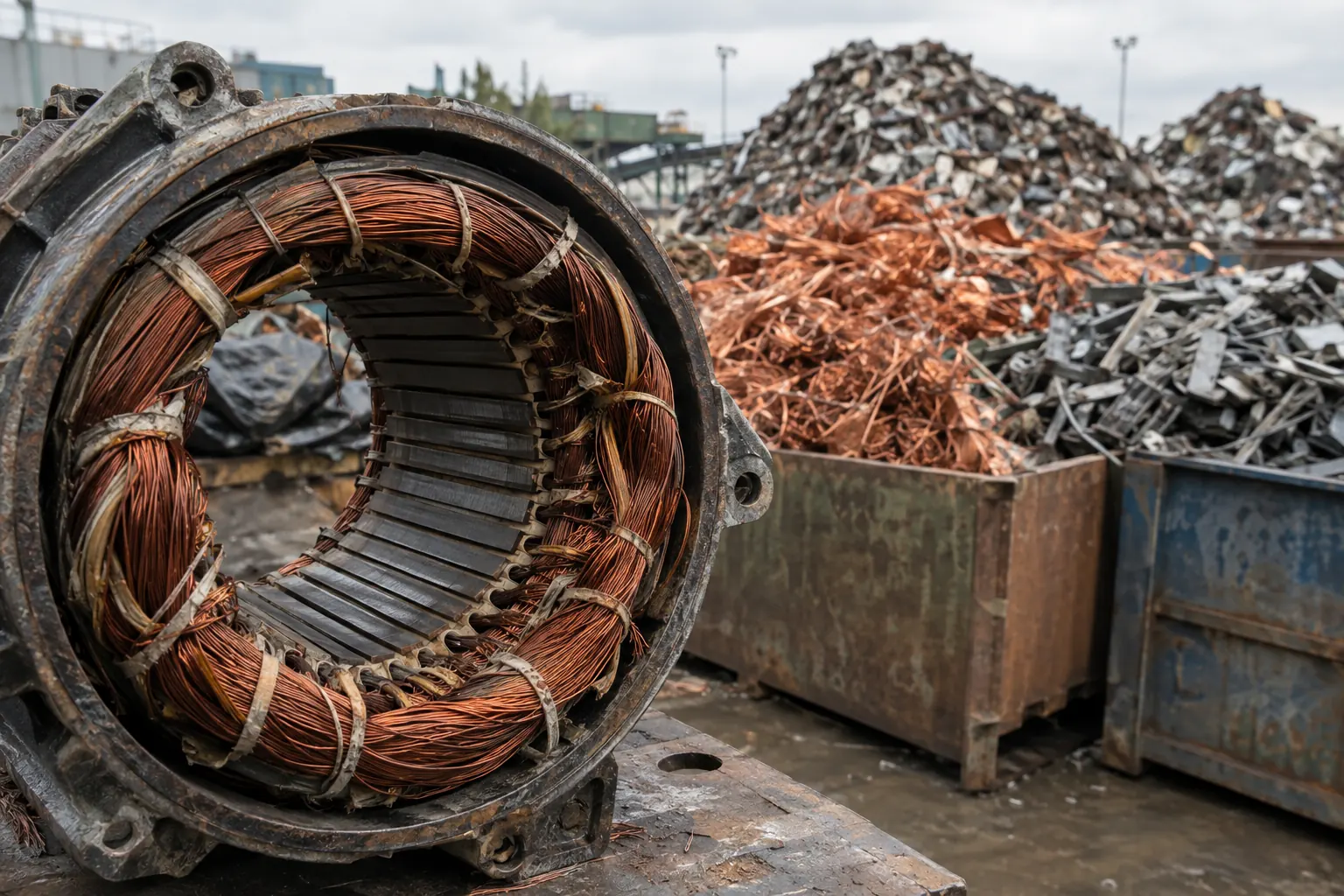
Scrap is the last option, not the first
Before a generator is scrapped, it's worth checking whether the engine, alternator or controls can be resold. Parting out a unit usually returns more than selling it by the ton. We look at that first, and only recycle what's left.
How generator recycling works
- Fluids and batteries are removed and sent to their own recycling or disposal streams.
- Salvageable components are pulled for resale or rebuild.
- The rest is dismantled and sorted into steel, cast iron, copper and aluminum.
- Sorted metals go to processors and back into manufacturing.
The full walkthrough is in what happens when a generator is recycled.
Common scrap scenarios
- Flood- or fire-damaged units after an insurance event
- Seized or catastrophically failed engines
- Very old units with no practical parts support
- Units stripped of major components
Start here
Get a scrap or parts quote
Tell us about the unit and what happened to it. If it's worth more as a parts unit or a rebuild, we'll say so before quoting it as scrap.
Not sure what to include? Use the quote photo checklist.
Common questions
What happens when a generator is recycled?
Once fluids and batteries are removed, the unit is broken down into its material streams: steel from the skid, enclosure and frame; cast iron from the engine block; copper from the alternator windings; and aluminum from radiators and other components. Each stream is sold to metal processors and goes back into manufacturing.
Is it better to sell or scrap an old generator?
If the unit runs, or could economically be made to run, resale or parts usually returns more than scrap. Scrap makes sense for units that are badly damaged, very old or uneconomical to repair. We'll tell you which category your unit falls into and why.
Do you buy generators that don't run?
Often, yes. A non-running unit can still have value as a rebuild candidate, for its engine or alternator, or as scrap metal. Tell us what you know about why it stopped running, and we'll say whether it makes more sense as a resale, a parts unit or a recycling job.
What happens to the fuel, oil and coolant?
Fluids are drained before transport and handled as regulated materials. Used oil goes into labeled containers and is collected by a transporter with an EPA identification number, as federal used-oil rules require. Usable diesel fuel can sometimes be transferred or credited. We'll note in the plan how each fluid is handled.
Related services
Sell your generator →
If it runs, it's probably worth more than scrap.
Generator removal →
Getting a dead unit out of a tight spot.
All services →
Everything we do, in one place.
Guides
What happens when a generator is recycled?
From draining fluids to separating copper windings from steel, here's what actually happens to a generator that's past resale.
5 min read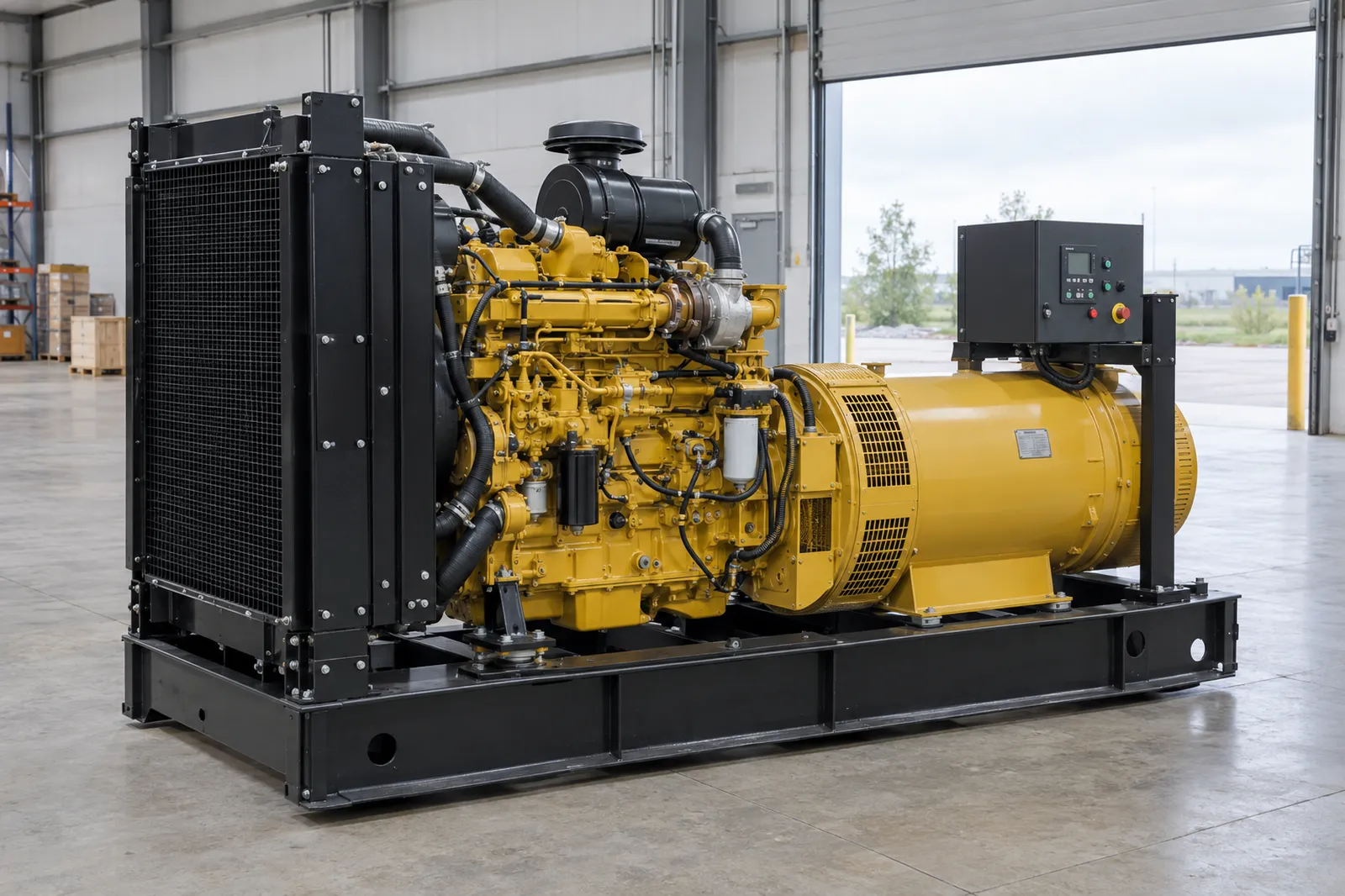
How much is my used generator worth?
There's no blue book for used generators. Here are the factors buyers actually price on, and how to present your unit so the offer reflects them.
7 min read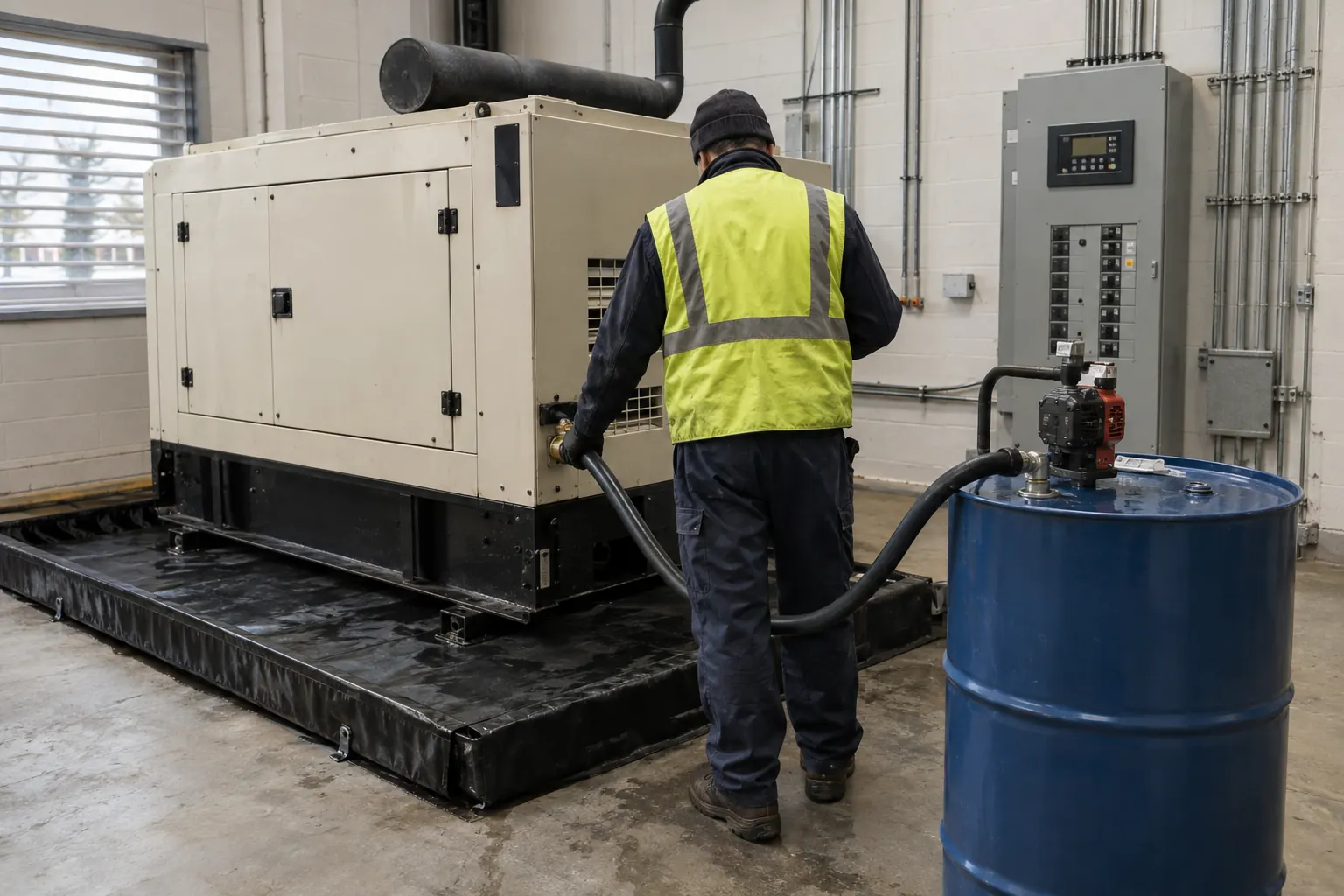
Generator decommissioning checklist for facility managers
From pulling records and notifying your air agency to lockout, draining fluids, rigging and closeout paperwork, here's the full sequence.
8 min readHave a generator to sell, or one to find?
Send the nameplate details and a few photos. We'll come back with a written offer or a sourcing plan.