Removal & decommissioning
Generator removal and decommissioning, planned end to end
From the electrical disconnect to the empty pad. We plan the lockout, fluids, rigging and freight, and when the unit has resale value, that value can offset or cover the cost of removal.
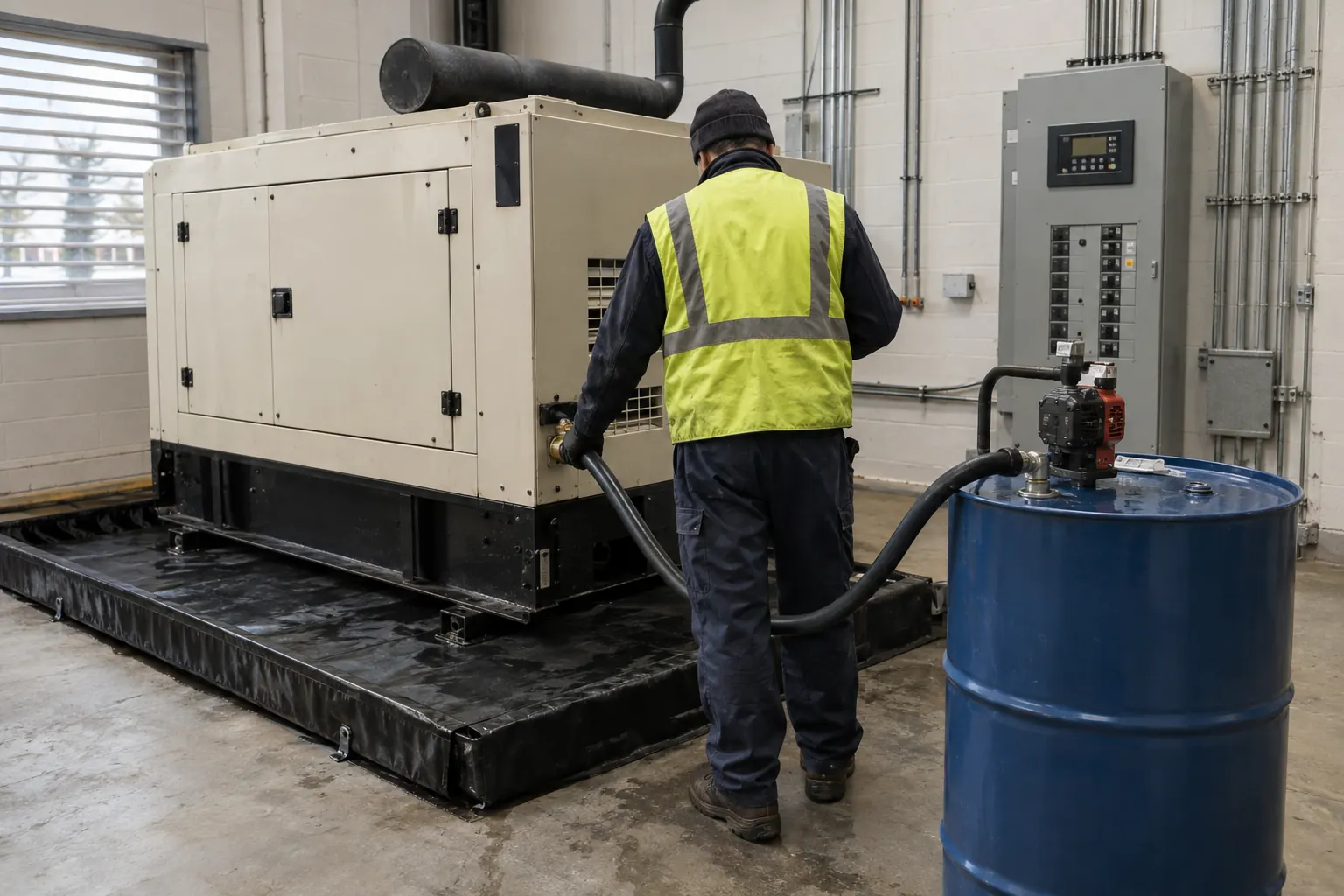
What removal includes
- Disconnection: isolating the unit from the building, ATS and switchgear, done by a licensed electrician under lockout/tagout.
- Fuel and fluids: pumping down tanks and draining oil and coolant into labeled containers for licensed collection.
- Rigging: lift plans, crane or gantry work and separation of large components where needed.
- Transport: properly rated trucks and load securement, with oversize permits when required.
- Site cleanup: capped lines, removed conduit where agreed, and a clear pad or room.
Removal paid for by the equipment
Most removal contractors bill you for the work. When your generator has resale value, we can put that value toward the removal, so the project may cost less than expected, cost nothing, or come with a payment to you. The offer shows which case applies.
Planning a decommission
Our generator decommissioning checklist walks through records, air permits, lockout, fluids, rigging and closeout paperwork, step by step.
The sequence
How it works
- 01
Site details
Location, unit details and photos of the access route.
- 02
Written scope
What's removed, who disconnects, how fluids are handled, and the net cost or payment.
- 03
Removal day
Lockout confirmed, fluids drained, unit rigged and loaded.
- 04
Closeout
Bill of sale or recycling receipt, plus fluid handling records.
Start here
Request a removal plan
Tell us where the unit is and how it's accessed. We'll come back with a written scope and tell you whether the unit's value covers the work.
Not sure what to include? Use the quote photo checklist.
Common questions
Do you handle generator removal?
Removal and decommissioning can be included in the offer. That means coordinating disconnection by a qualified electrician, draining fluids, disconnecting fuel lines, rigging and crane work, and transport. You approve the scope and schedule in writing before work starts.
Who disconnects the generator from the building?
Electrical disconnection must be done by a licensed electrician using lockout/tagout procedures, and fuel disconnection by qualified personnel. This can be your facility contractor or one we coordinate. We'll confirm who is responsible in the removal plan.
What happens to the fuel, oil and coolant?
Fluids are drained before transport and handled as regulated materials. Used oil goes into labeled containers and is collected by a transporter with an EPA identification number, as federal used-oil rules require. Usable diesel fuel can sometimes be transferred or credited. We'll note in the plan how each fluid is handled.
Do you work nationwide?
Yes. We work with sellers and buyers across the United States. Location affects freight and rigging costs, so include the city and state in your request.
Related services
Sell your generator →
Get the unit's value into the same offer.
Data center decommissioning →
Phased removals for critical facilities.
Scrap recycling →
End-of-life units, handled properly.
Guides
Generator decommissioning checklist for facility managers
From pulling records and notifying your air agency to lockout, draining fluids, rigging and closeout paperwork, here's the full sequence.
8 min read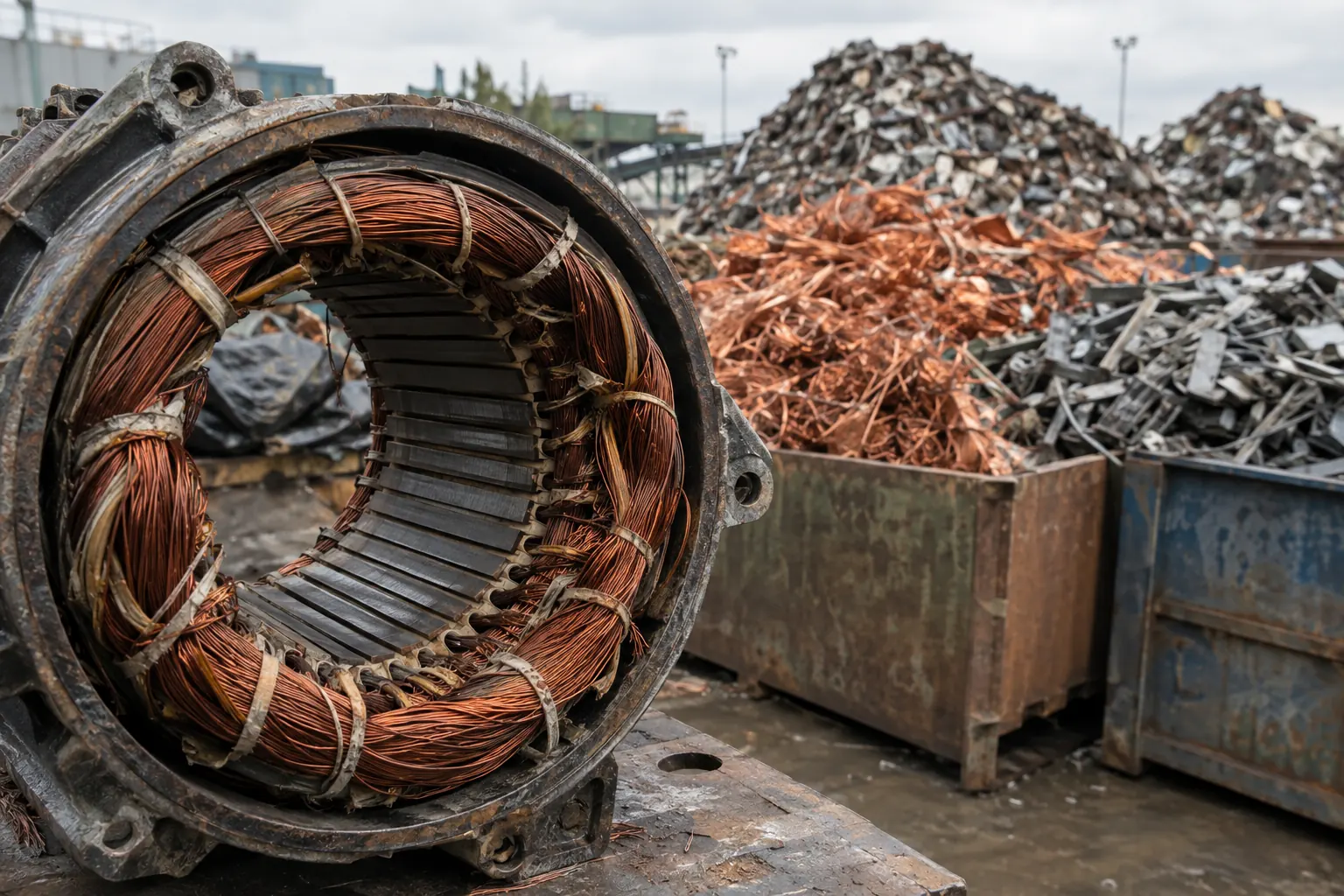
What happens when a generator is recycled?
From draining fluids to separating copper windings from steel, here's what actually happens to a generator that's past resale.
5 min read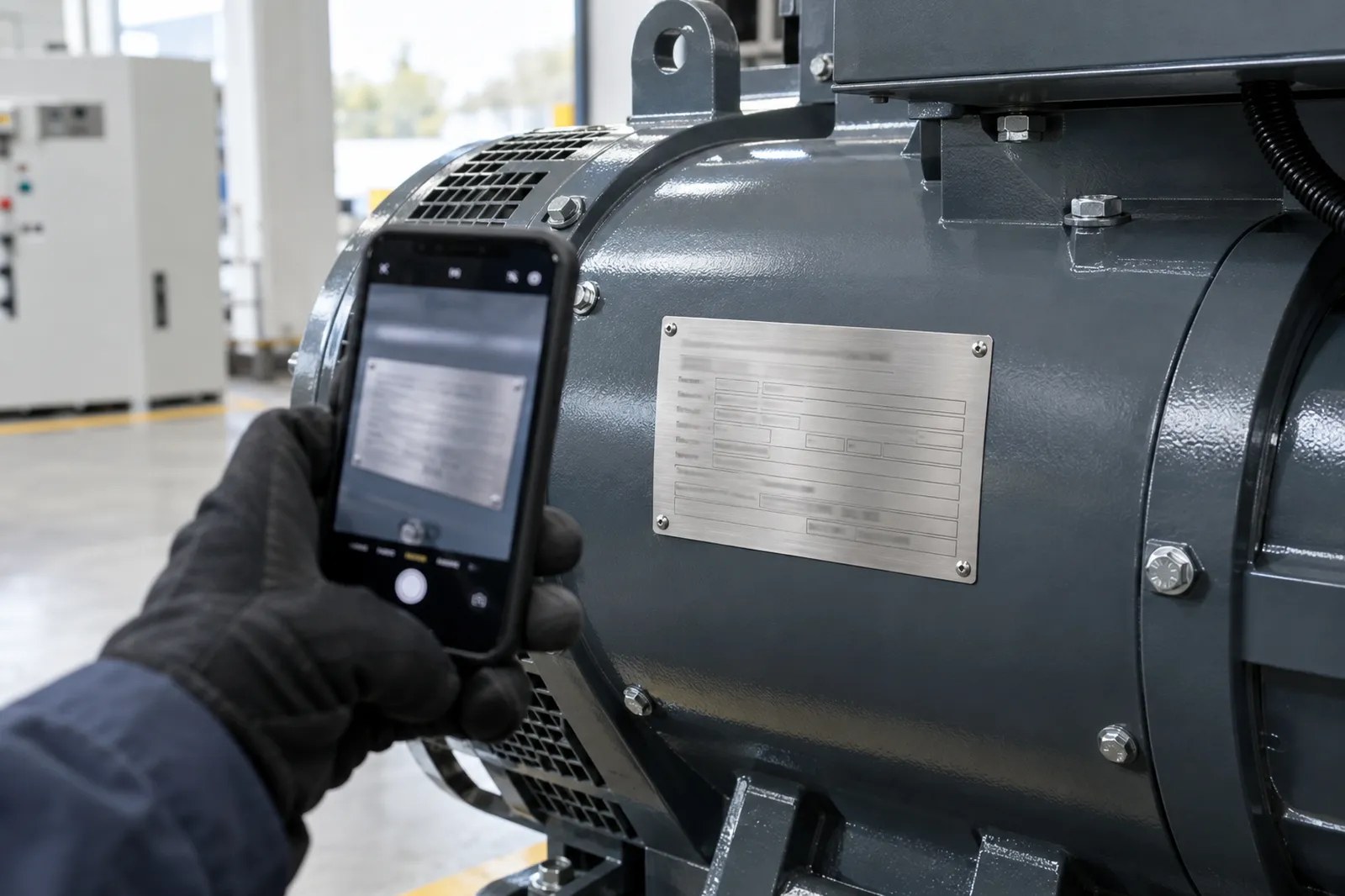
What to send for a fast, accurate generator quote
Twelve photos and a handful of details are usually all it takes to get a firm written offer. Here's the list.
4 min readHave a generator to sell, or one to find?
Send the nameplate details and a few photos. We'll come back with a written offer or a sourcing plan.