Compliance
EPA tier ratings and used generators, explained
The emissions tier on the nameplate decides how a used generator can legally be reused. Here's the short version for buyers and sellers.
· 6 min read
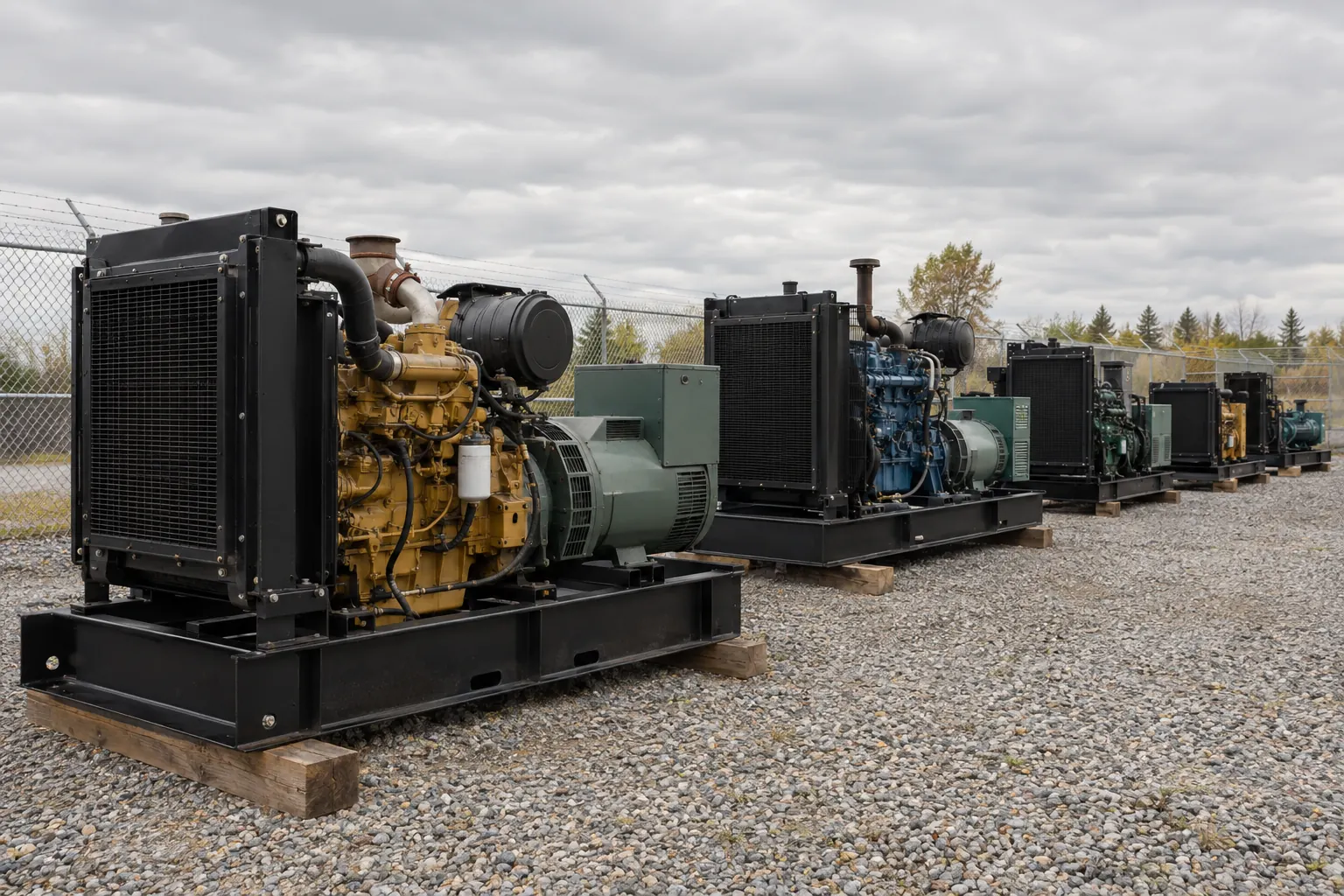
If you're buying or selling a used stationary diesel generator in the US, the emissions certification on the engine affects what the unit can legally be used for. This is a plain-language overview. It isn't legal advice, and your state or local air agency has the final word on permitting.
Which rules apply
New stationary compression-ignition (diesel) engines are covered by the federal New Source Performance Standards in 40 CFR Part 60, Subpart IIII. In general, the rule applies to engines ordered after July 11, 2005 and manufactured after April 1, 2006 (EPA compliance requirements for stationary engines). Existing engines can also fall under the stationary engine NESHAP (RICE) rules, which set maintenance requirements such as oil changes and inspections (EPA summary of area-source RICE requirements).
Emergency vs non-emergency
This is the distinction that matters most for used units. EPA treats emergency engines, which run during power outages plus limited testing and maintenance, differently from non-emergency engines used for prime power, peak shaving or other regular operation. Emergency engines are limited in how many hours they can run for non-emergency purposes. For example, maintenance and readiness testing is capped at 100 hours per year (EPA emergency engine fact sheet).
What the tiers mean in practice
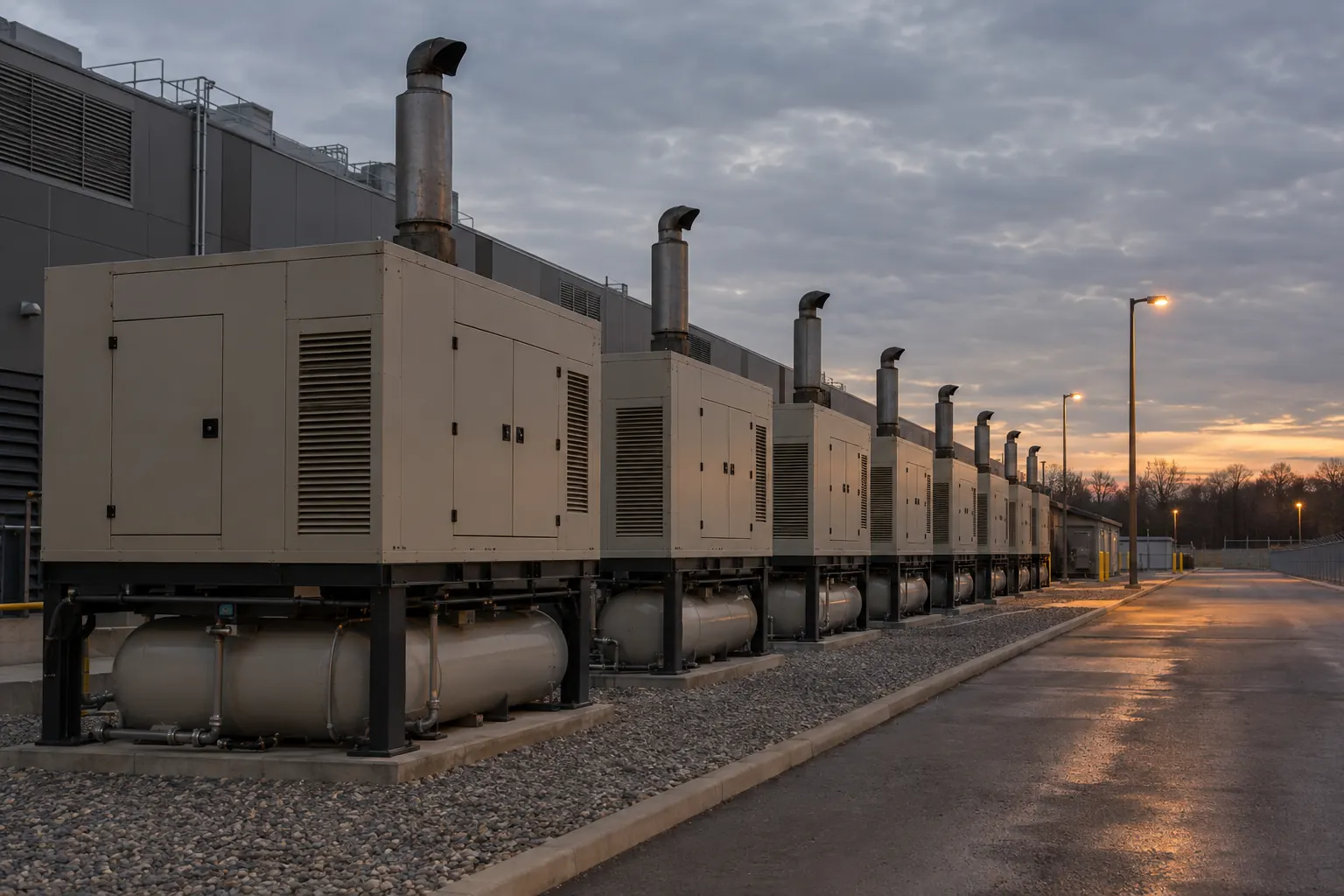
- Tier 2 and Tier 3: Typical certification levels for stationary emergency diesel engines. Emergency units above 560 kW are generally held to Tier 2 levels and smaller emergency units to Tier 3 (Caterpillar/Finning white paper).
- Tier 4: The stricter standard for new non-emergency stationary diesel engines, which phased in for model years 2014 and 2015 depending on size (Federal Register, July 7, 2016). Meeting it usually requires aftertreatment such as SCR and diesel particulate filters.
Why it matters for buyers
A used Tier 2 emergency unit is usually a good fit for another emergency standby application. Putting that same unit into regular non-emergency service is a different matter, because it can trigger stricter standards and permitting. If you plan to run a generator for prime power or demand response, confirm what's allowed with your air agency before you buy.
Why it matters for sellers
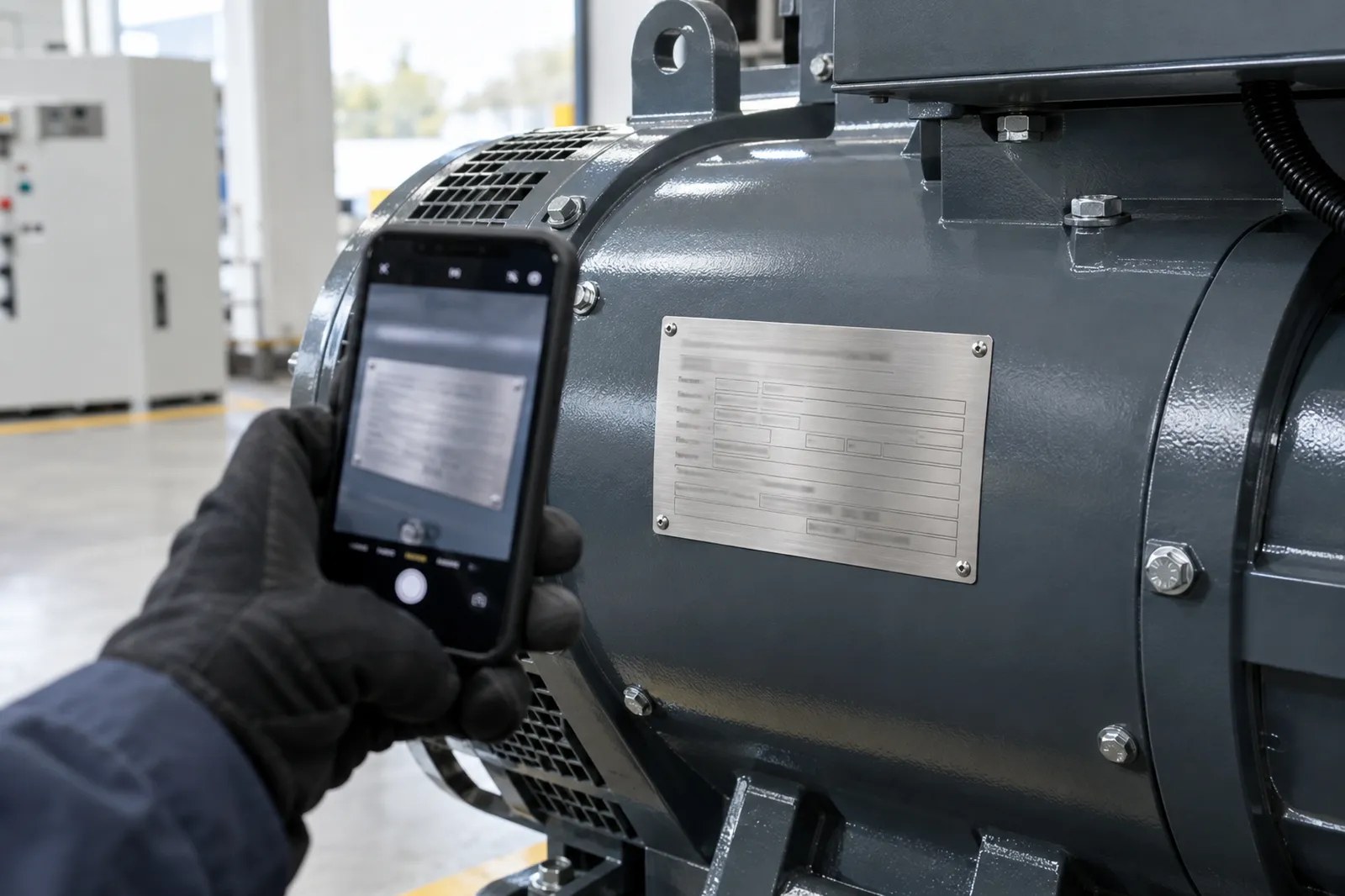
The tier is on the engine's emissions label, and buyers will ask for it. Photograph the label along with the nameplate. A unit with a clear certification and documented emergency-only use history is easier to place with the right buyer.
Need a unit for a specific application?
Tell us the use case, kW, voltage and permitting constraints, and we'll source units that fit. Request a used generator.