Selling
How much is my used generator worth?
There's no blue book for used generators. Here are the factors buyers actually price on, and how to present your unit so the offer reflects them.
· 7 min read
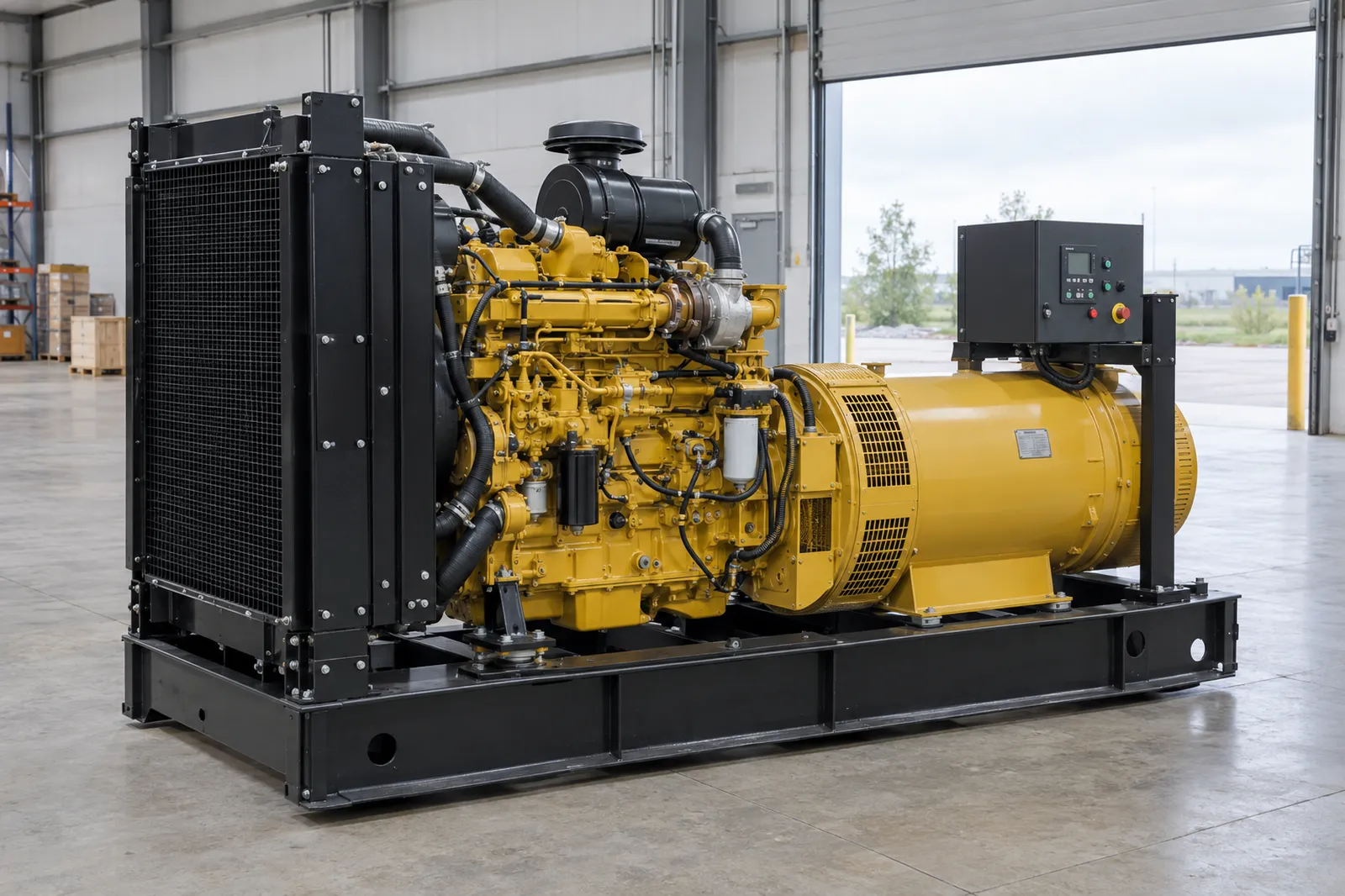
Used generators don't have a blue book. Two units with the same kW rating can be worth very different amounts depending on how they were built, how they were used and how hard they are to get out of the building. If you're deciding whether to sell, these are the factors a serious buyer looks at, in roughly the order they matter.
1. Brand and engine platform
Buyers pay more for units they can service easily. Generator sets from Caterpillar, Cummins, Kohler (now Rehlko), MTU and Generac sell well because parts, dealer support and technician familiarity are widely available. Within a brand, engine platform matters: a common engine with good parts availability is easier to resell than an orphaned or rare model.
2. kW rating, voltage and phase
The size of the unit defines who can use it. Mid-size commercial units and large-frame data center units each have active buyer pools. Voltage and phase matter too. A 480V three-phase unit fits more US commercial sites than an unusual configuration, although many alternators can be reconnected for different voltages, which helps.
3. Run hours
Standby generators often have very low hours compared with their design life, because they mostly run for scheduled testing. Low, documented hours are one of the strongest value signals. Photograph the hour meter or controller screen. Federal rules for many stationary emergency engines require a non-resettable hour meter (EPA area-source RICE summary), so buyers will usually ask for that reading.
4. Age and EPA tier
The engine's year and emissions certification determine how and where it can legally be reused. Emergency standby units are commonly certified to EPA Tier 2 or Tier 3, while new non-emergency stationary diesel engines face stricter Tier 4 standards. That affects which buyers can use your unit. Our EPA tier guide explains why.
5. Condition and maintenance records
A unit that is running, in service and maintained on a schedule is worth more than one that has been sitting. Service logs, oil analysis and especially load bank test reports give a buyer evidence instead of guesses. If you have records, mention them up front.
6. Enclosure, tank and accessories
A sound-attenuated or weatherproof enclosure, a sub-base fuel tank, battery chargers, block heaters and the transfer switch can all add value if they come with the unit. Note what's included and what stays with the building.
7. Fuel type
Diesel units make up most of the industrial standby market. Natural gas and LP units have their own buyers, especially where pipeline gas is available. Let the buyer know if a unit is set up for bi-fuel operation.
8. Removal complexity
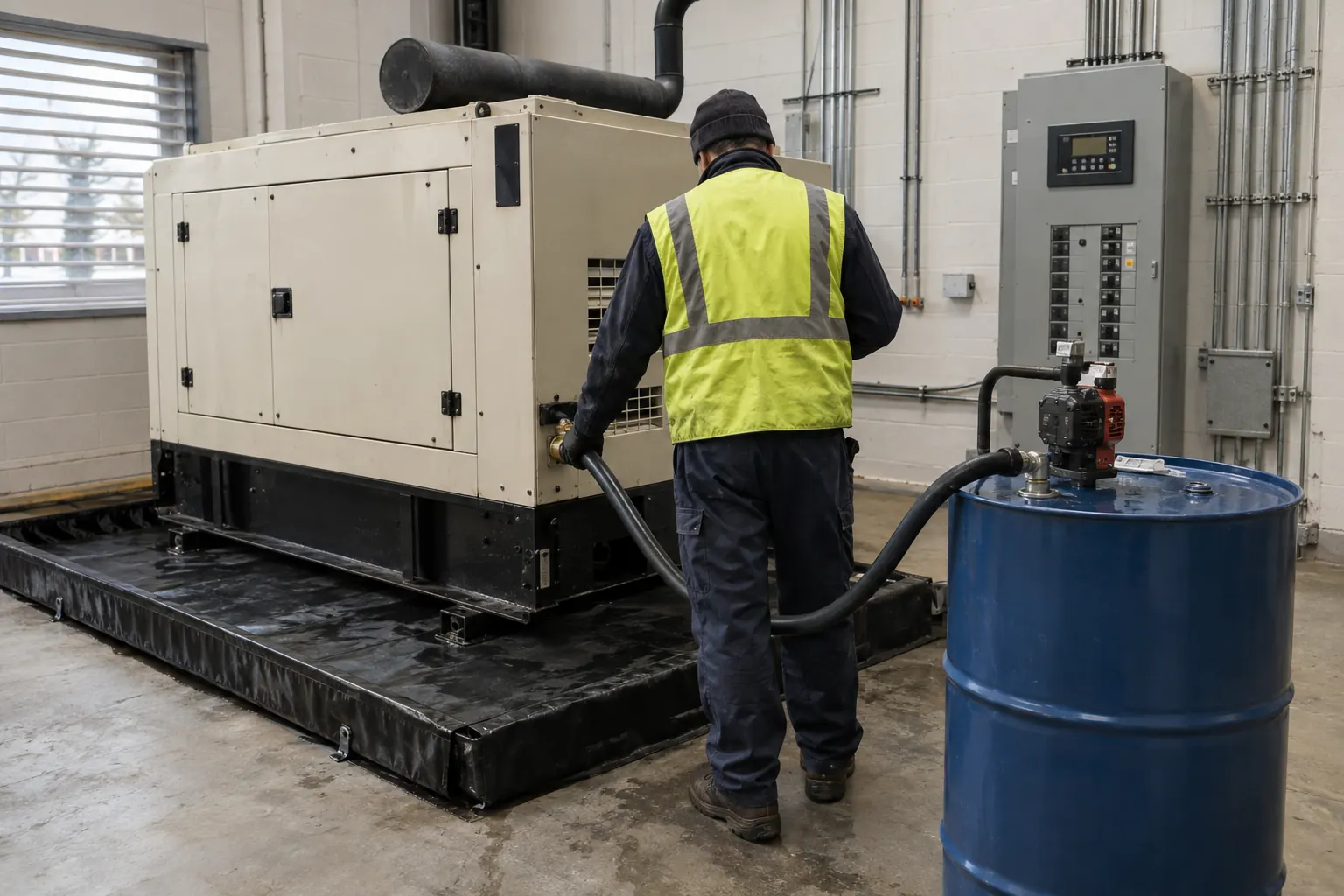
This is the factor sellers most often overlook. A unit on a pad next to a parking lot can be loaded in hours. A unit on a roof, in a basement or in a tight mechanical room may need a crane, street permits, partial disassembly or after-hours work. Those costs come out of the value, so clear photos of the access route lead to a more accurate offer.
9. Quantity and timing
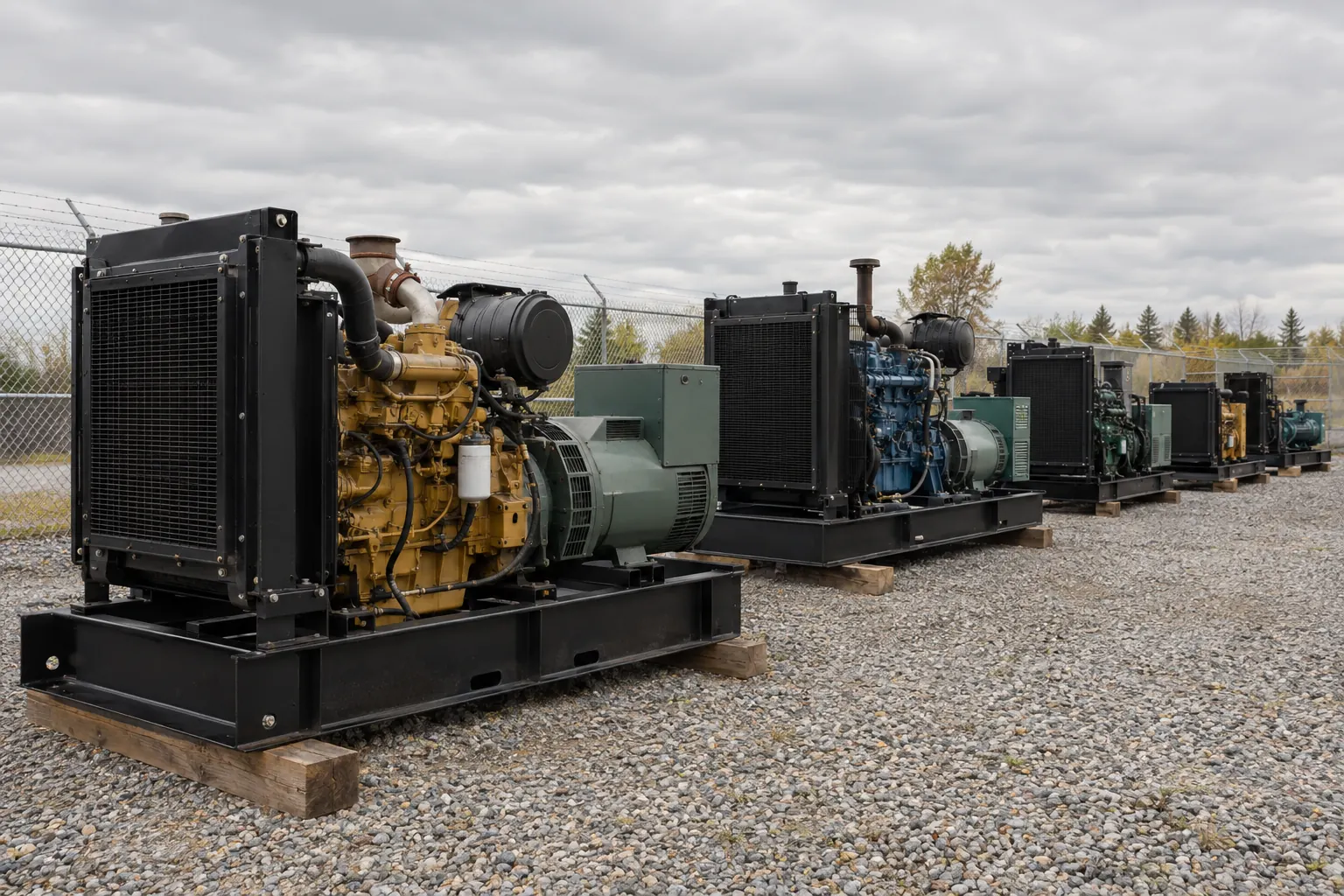
Matched groups of identical units, such as a data center replacing a full generator plant, attract buyers who want the whole set. Flexible timing helps too. If the unit can stay in place until a buyer is lined up, the offer can reflect a direct resale rather than a warehouse stop.
What about scrap value?
When a unit is beyond economical repair, it is valued as metal: steel, cast iron, copper and aluminum, minus the cost of fluid removal and handling. Scrap yards typically price whole generators by weight. For a sense of how that works, see a yard's posted pricing such as Rockaway Recycling's scrap generator page. Scrap is almost always the floor, not the ceiling, for a unit that still runs.
Get a number in writing
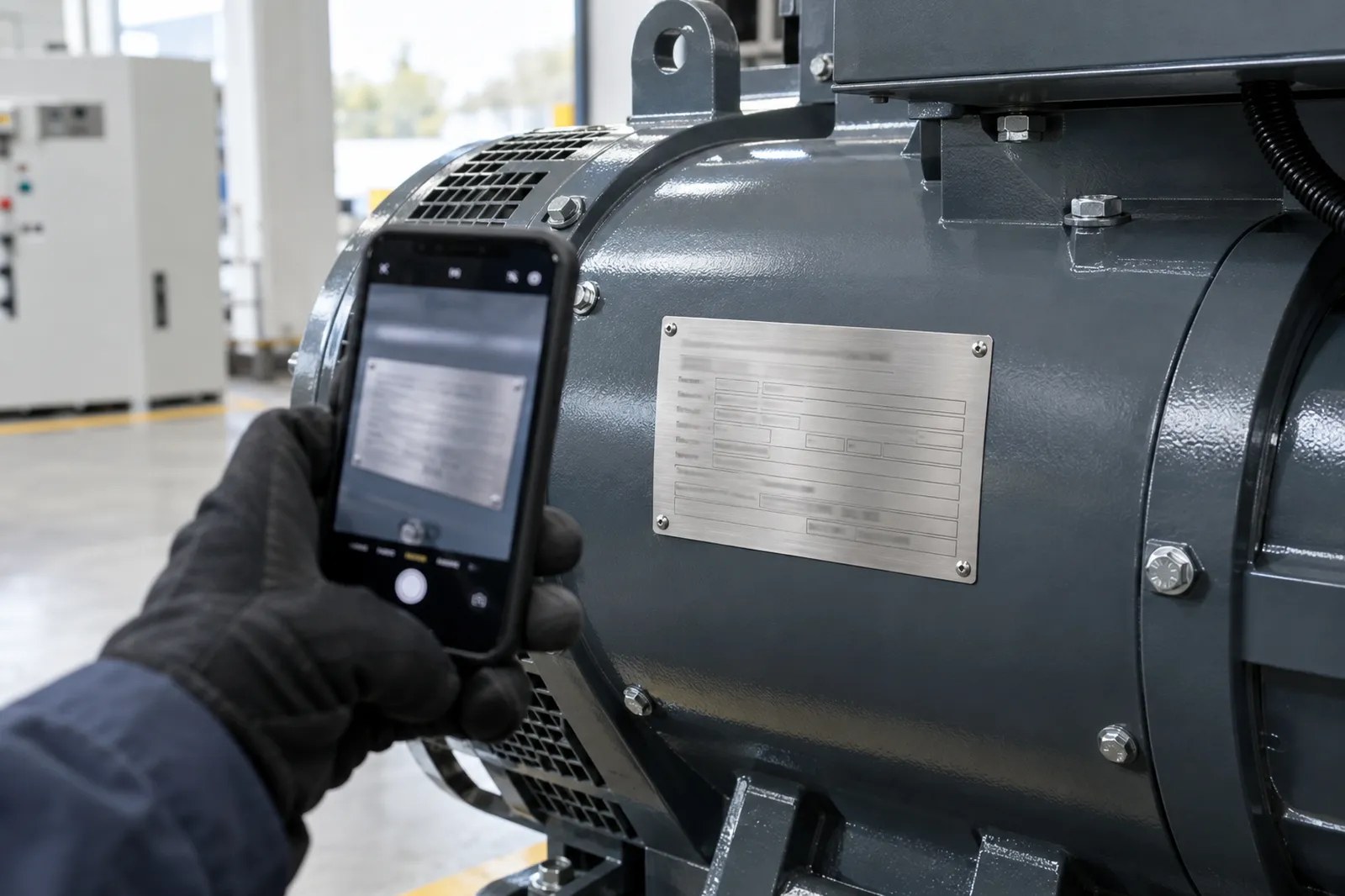
The fastest way to learn what your unit is worth is to send the nameplate, hours and a few photos. Use our quote photo checklist, then request an offer. You'll get a written number that spells out whether removal is included.